 FPS Calculator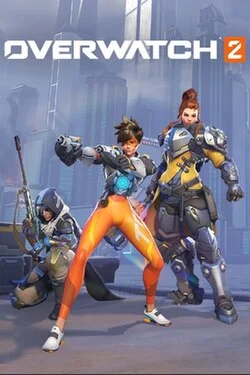
Overwatch 2 FPS Calculator
Benchmarks, requirements & compatible hardware
Check expected FPS for Overwatch 2 on your PC. Test different combinations of CPU, GPU and settings.
See expected FPS for your setup
Select your PC components and settings to get started.
Accurate Benchmarks
Real Hardware Data
Bottleneck Analysis
Best Settings Included
1,245+ calculations this month
Based on 1,200+ verified benchmarks
What will you get after calculating?
Unlock detailed performance insights and optimization tips.
FPS Estimate
Best Settings
Bottleneck Analysis
Upgrade Suggestions
🎮 Stay Updated on Overwatch 2
We publish optimization guides, graphics settings updates, FPS fixes, benchmark updates, and patch-performance reports.
Best GPUs for Overwatch 2
Click any GPU for a full Overwatch 2 benchmark — FPS, settings context, and comparisons (opens in a new tab).
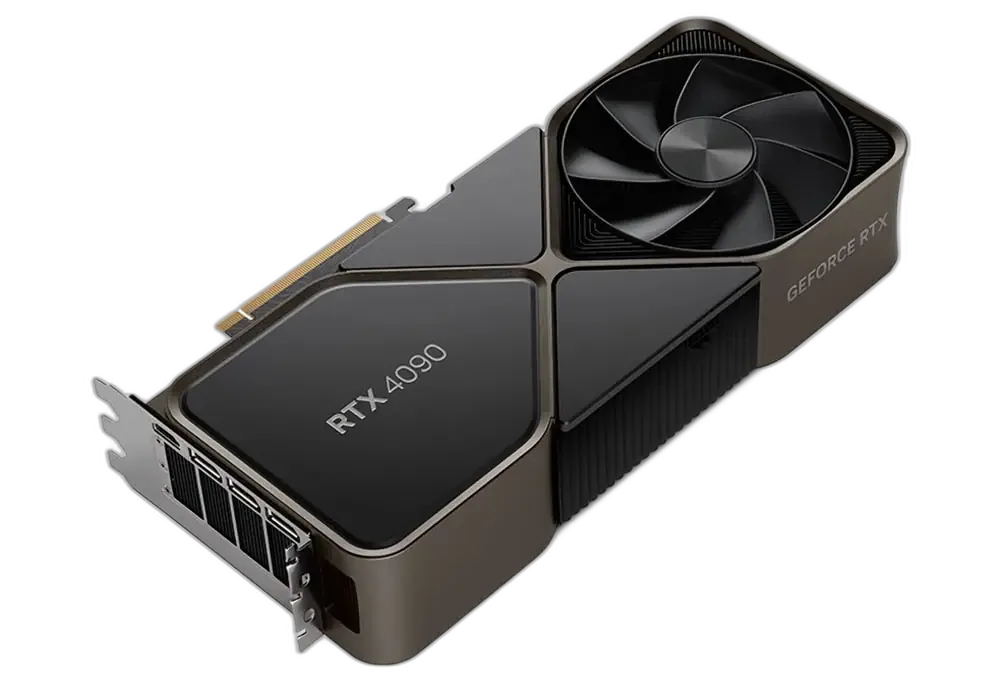
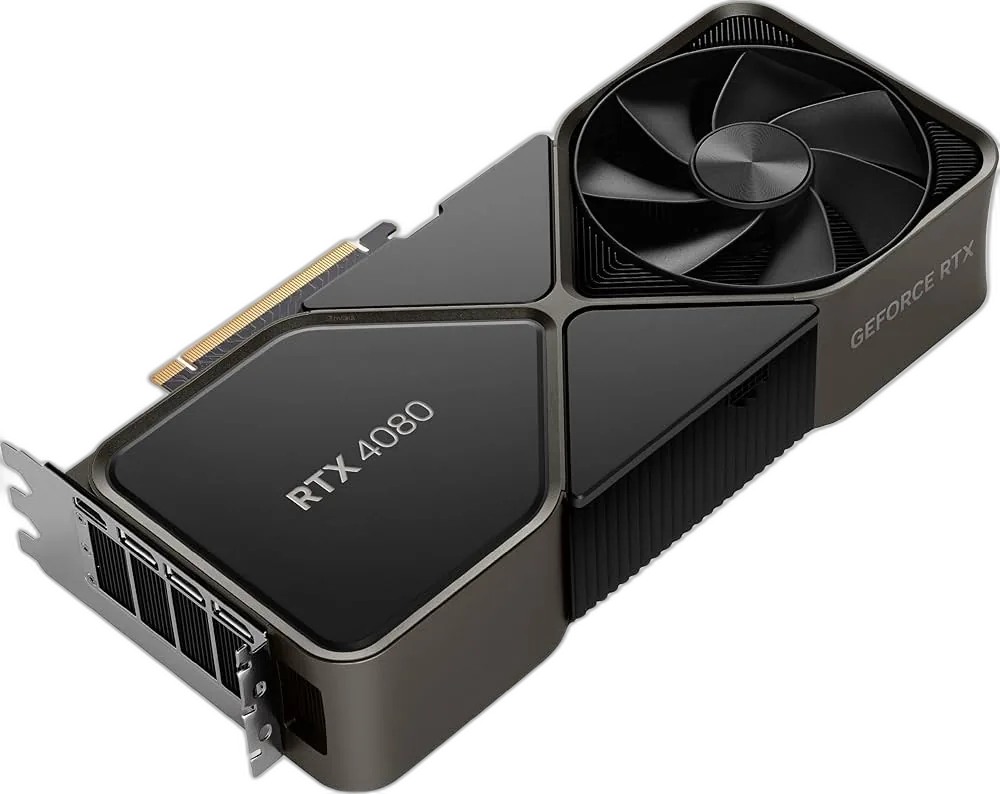
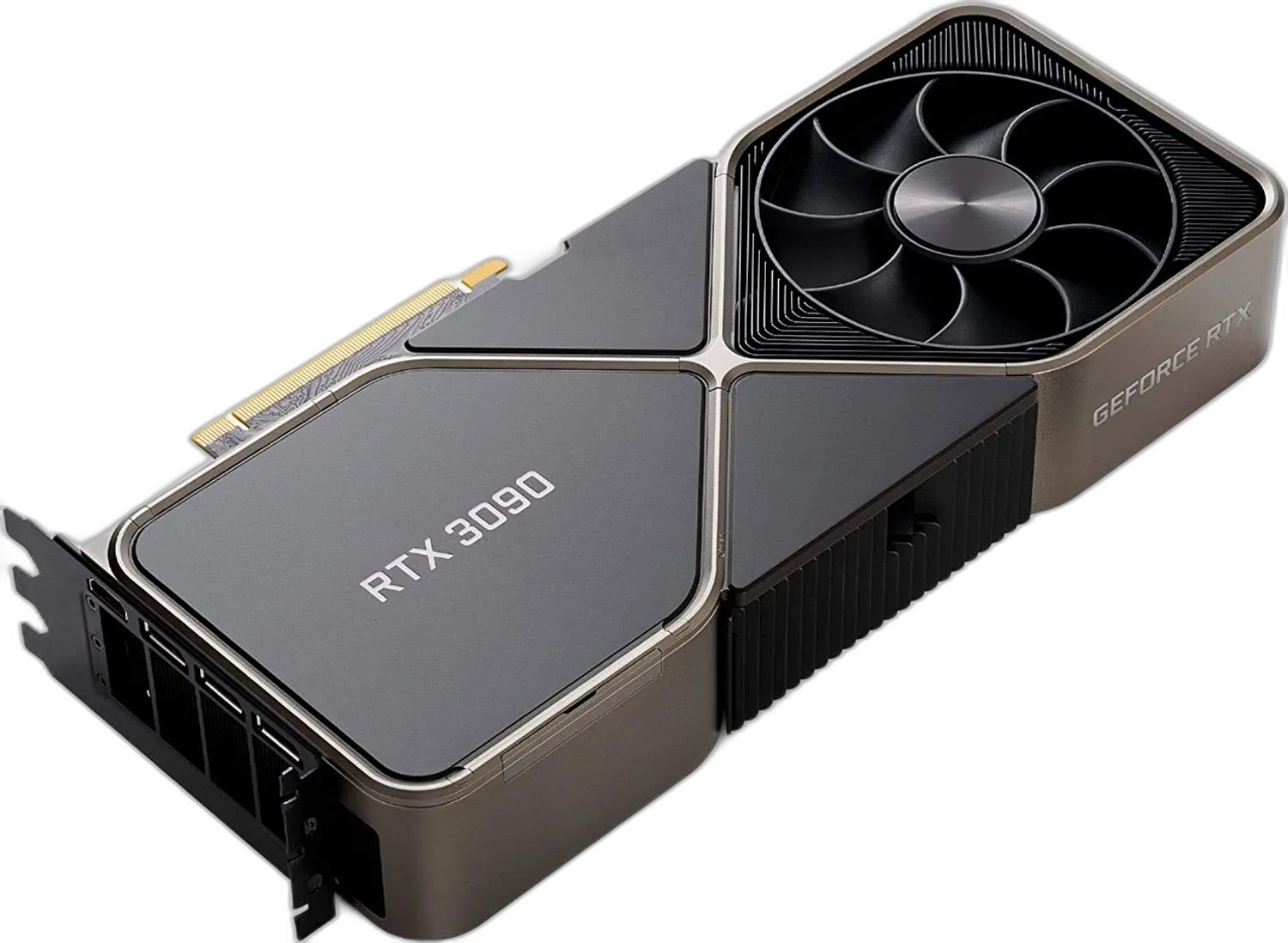
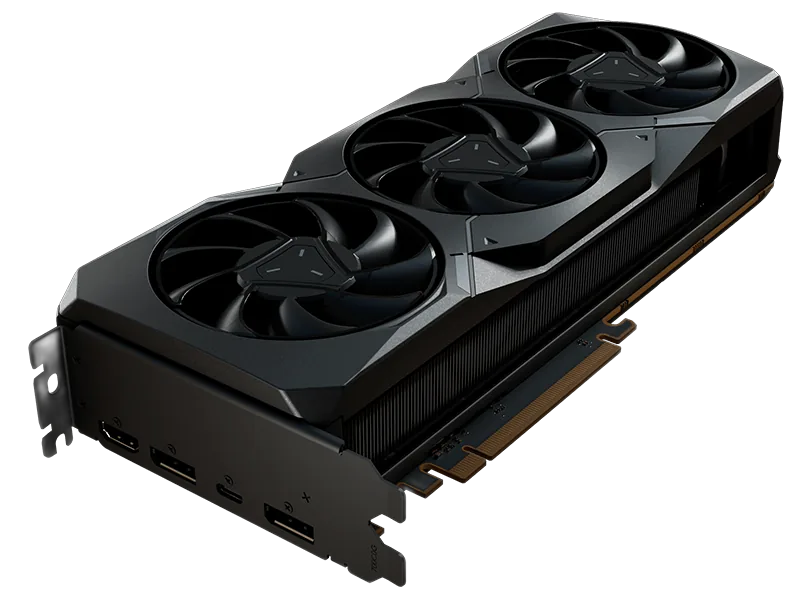
FPS at 1080p High Settings
Best CPUs for Overwatch 2
These CPUs are ranked for Overwatch 2 — meet or beat the recommended tier for steadier frametimes when the game hits the processor.
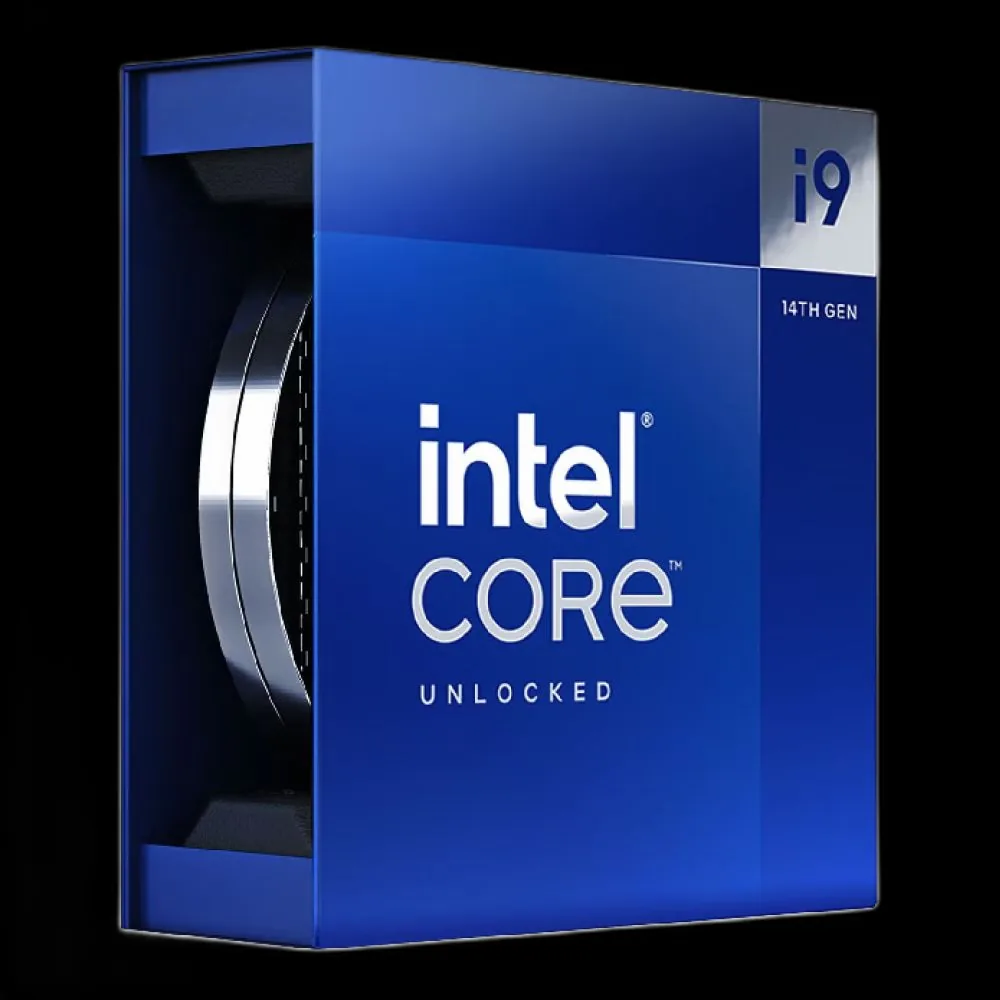
INTEL
Intel Core i9-14900K
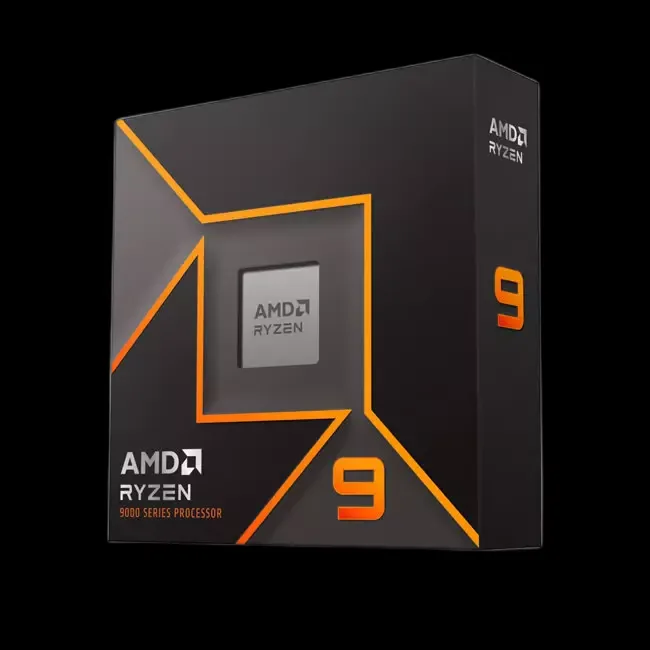
AMD
AMD Ryzen 9 7950X
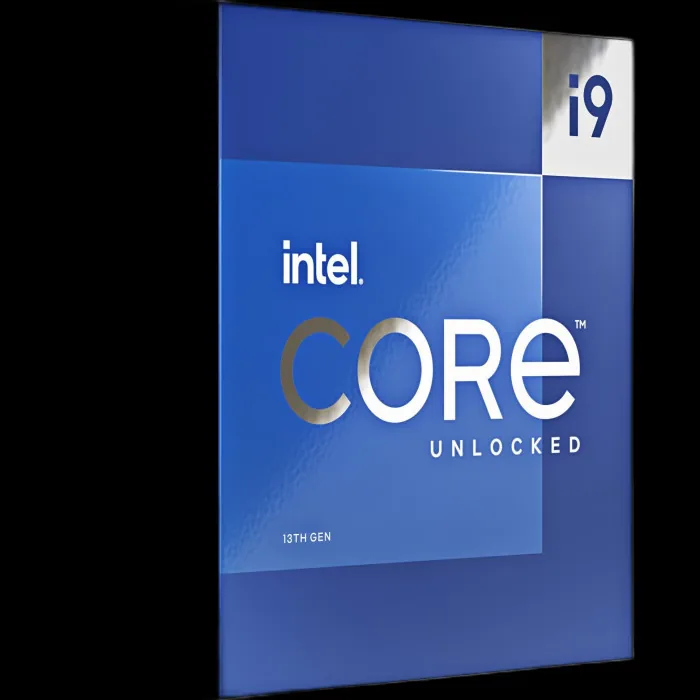
INTEL
Intel Core i9-13900K
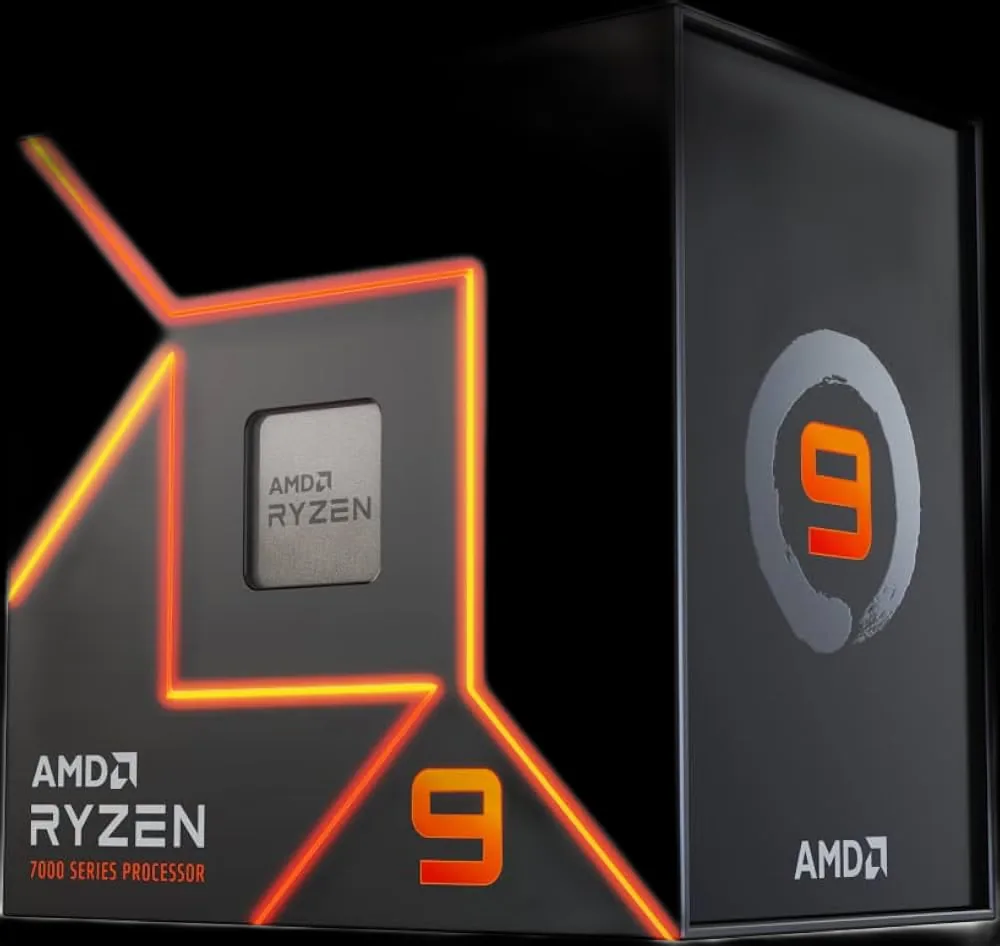
AMD
AMD Ryzen 9 7900X
Ranked by CPU performance score for this title
About Overwatch 2
Overwatch 2 revitalizes the hero shooter with refined engine performance, keeping the vibrant character abilities readable and fast across the battlefield. To meet the minimum system demands, your PC should have a NVIDIA GeForce G...
Genre
Hero shooter
Developer
Blizzard Entertainment
Game Mode
Single-player
Publisher
Blizzard Entertainment
System Requirements
Minimum
OS
Windows 10 64-bit
CPU
Intel Core i3 or AMD Phenom X3 8650
RAM
6 GB RAM
GPU
NVIDIA GeForce GTX 600 series, AMD Radeon HD 7000 series
Storage
50 GB available space
Recommended
OS
Windows 10 64-bit
CPU
Intel Core i7 or AMD Ryzen 5
RAM
8 GB RAM
GPU
NVIDIA GeForce GTX 1060 / AMD R9 380
Storage
50 GB available space





Frequently Asked Questions
Overwatch 2 revitalizes the hero shooter with refined engine performance, keeping the vibrant character abilities readable and fast across the battlefield. Your PC needs a CPU score of at least 54 and a GPU score of at least 50 to launch and play Overwatch 2. Because it is a competitive, high-frame-rate title, even mid-range hardware can deliver a playable experience — but reaching the frame rates that matter for ranked play requires meeting the recommended tier (CPU 70, GPU 68). Select your exact components in our FPS calculator to see your expected frame rate at each resolution and quality preset.
The minimum system requirements for Overwatch 2 are: CPU — Intel Core i3 or AMD Phenom X3 8650; GPU — NVIDIA GeForce GTX 600 series, AMD Radeon HD 7000 series; RAM — 6 GB RAM; Storage — 50 GB available space; OS — Windows 10 64-bit. While these specs will get you into the game, minimum-tier hardware will limit your frame rate well below the 150 FPS baseline most players target. In a competitive title, low FPS directly affects reaction time and hit registration feel — lowering resolution or switching to a performance graphics preset is often worth it to push frame rates higher even on older hardware.
Overwatch 2's recommended specifications are: CPU — Intel Core i7 or AMD Ryzen 5; GPU — NVIDIA GeForce GTX 1060 / AMD R9 380; RAM — 8 GB RAM; Storage — 50 GB available space. At this hardware tier you should see stable performance at or above 150 FPS at 1080p, which is the baseline for smooth competitive play. If your monitor supports 144 Hz or higher, hardware that exceeds the recommended tier is advisable to consistently push past the display's refresh rate and gain the full reaction-time advantage. The FPS calculator shows projections at 1440p and 4K so you can plan for a future display upgrade.
For competitive Overwatch 2, the minimum comfortable target is 60 FPS, but most serious players aim for at least 150 FPS — matching typical high-refresh-rate monitors in the genre. At 144 FPS and above, perceived input lag drops noticeably and fast target tracking becomes more consistent. If your hardware is near the 150 FPS mark, prioritise frame time stability over the raw average: capping your frame rate just below the monitor refresh rate and disabling V-Sync reduces perceived delay. Our FPS calculator projects both average and estimated lower-bound frame rates so you can calibrate your settings.
Reaching 150 FPS in Overwatch 2 consistently requires a GPU performance score of at least 68. The recommended card for this target is NVIDIA GeForce GTX 1060 / AMD R9 380. At 1080p with competitive-oriented settings (lower textures, maximum frame rate priority), GPUs slightly below the recommended score can still maintain smooth play. Pushing 150+ FPS at 1440p demands a higher-tier card — a score of roughly 85 or more is advisable. The FPS calculator lets you filter every compatible GPU in our database by target frame rate.
Overwatch 2 can be CPU-demanding in multiplayer, especially during large player-count matches where the engine simultaneously processes AI, physics, and network simulation. The minimum CPU score is 54 and the recommended is 70, equivalent to hardware like Intel Core i7 or AMD Ryzen 5. A CPU below the minimum can bottleneck even a powerful GPU, causing frame time spikes during intense moments. Running Windows in high-performance power mode and closing streaming or capture software can recover several frames on mid-range CPUs at no cost.
Questions about hardware? Browse all games →
Latest Overwatch 2 News & Guides
View all newsAccurate & Reliable
Real hardware benchmarks
100% Free
No sign up required
Updated Daily
Latest drivers & patches
Trusted By Gamers
Loved by 1M+ users