 FPS Calculator
League of Legends FPS Calculator
Benchmarks, requirements & compatible hardware
Check expected FPS for League of Legends on your PC. Test different combinations of CPU, GPU and settings.
See expected FPS for your setup
Select your PC components and settings to get started.
Accurate Benchmarks
Real Hardware Data
Bottleneck Analysis
Best Settings Included
1,245+ calculations this month
Based on 1,200+ verified benchmarks
What will you get after calculating?
Unlock detailed performance insights and optimization tips.
FPS Estimate
Best Settings
Bottleneck Analysis
Upgrade Suggestions
🎮 Stay Updated on League of Legends
We publish optimization guides, graphics settings updates, FPS fixes, benchmark updates, and patch-performance reports.
Best GPUs for League of Legends
Click any GPU for a full League of Legends benchmark — FPS, settings context, and comparisons (opens in a new tab).
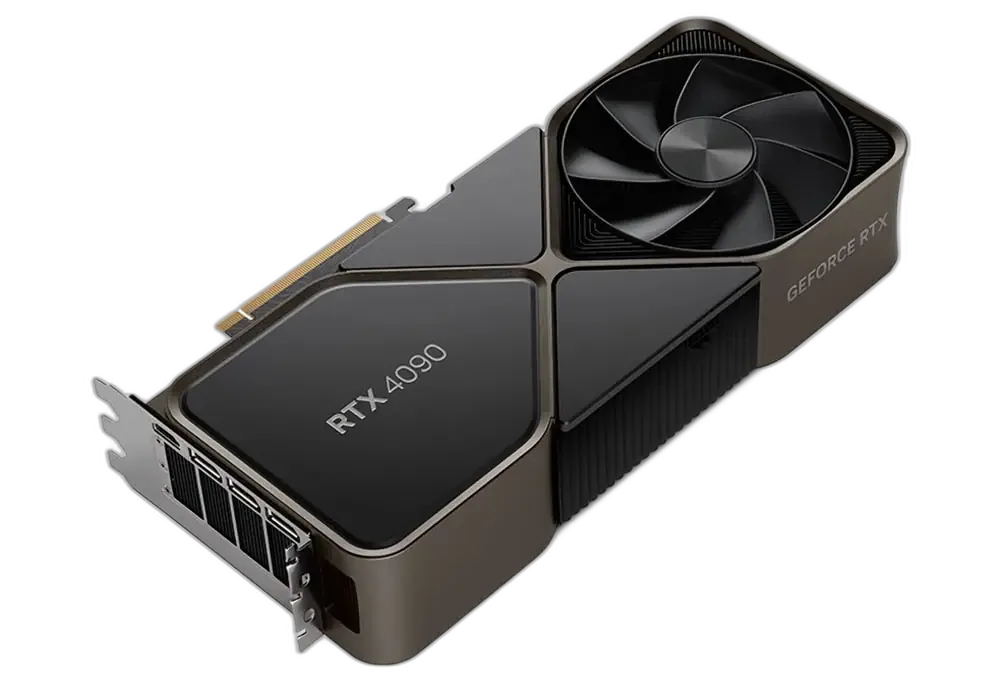
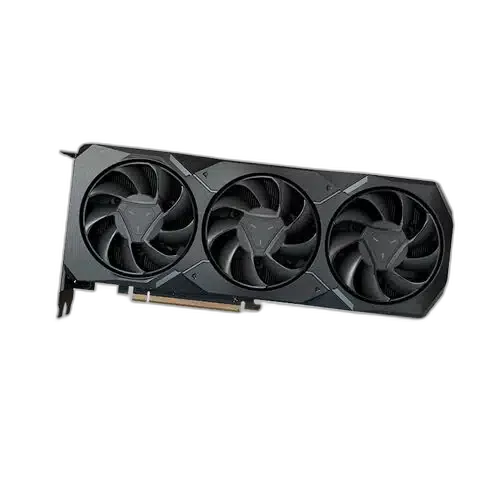
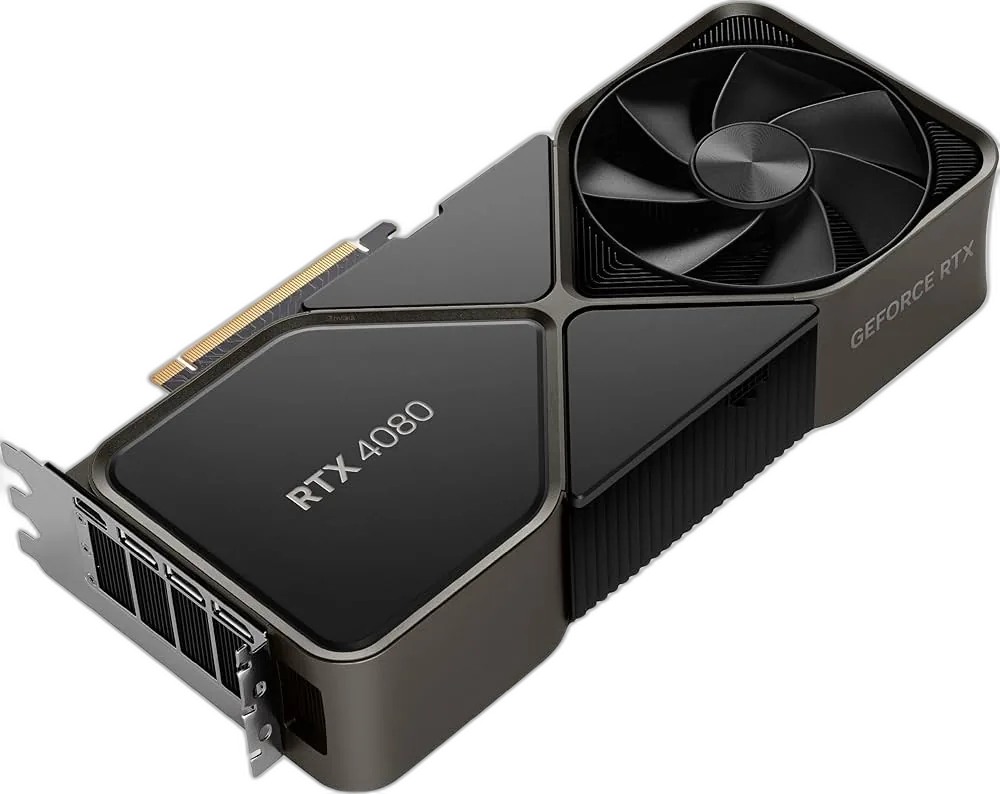
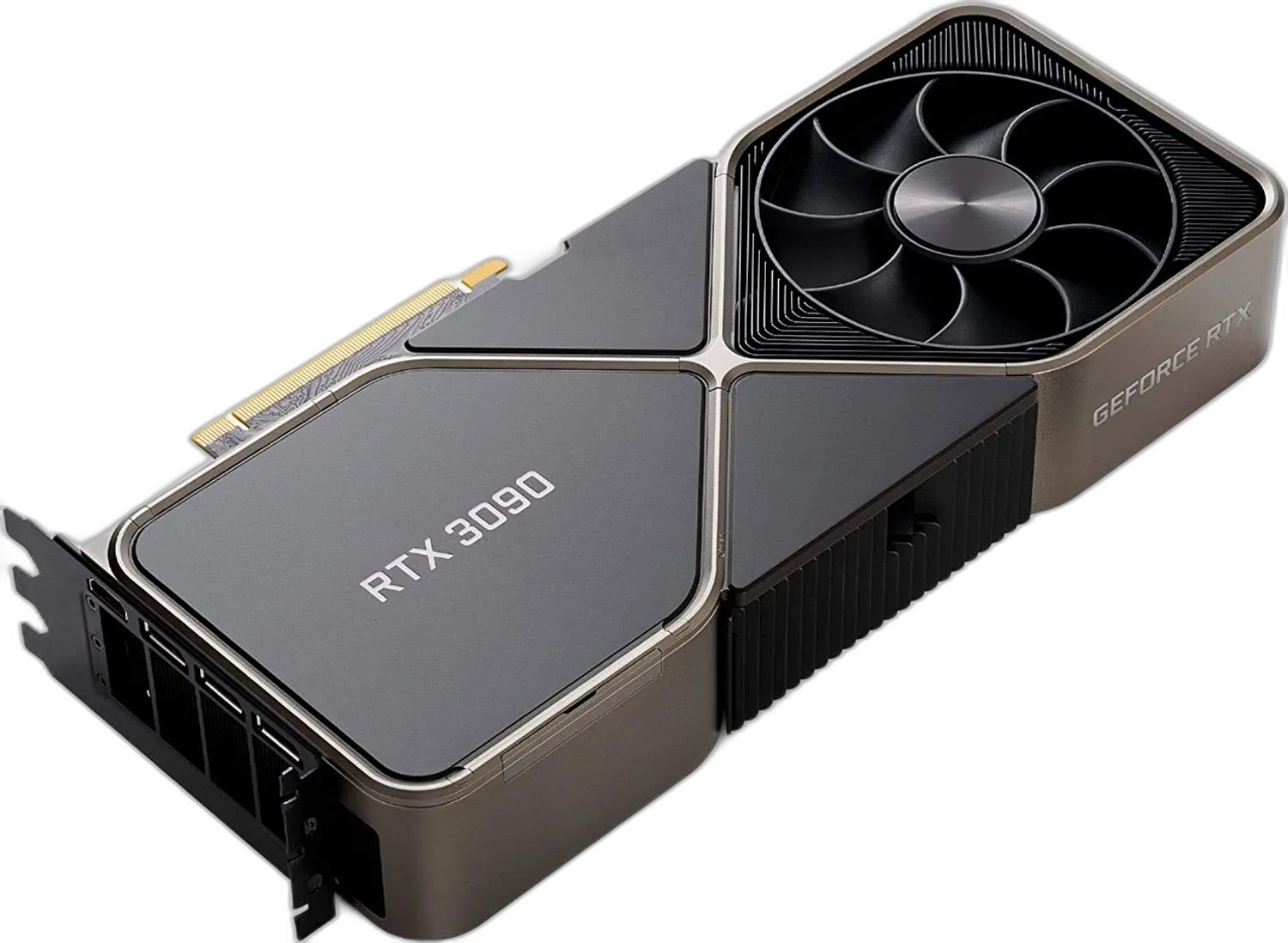
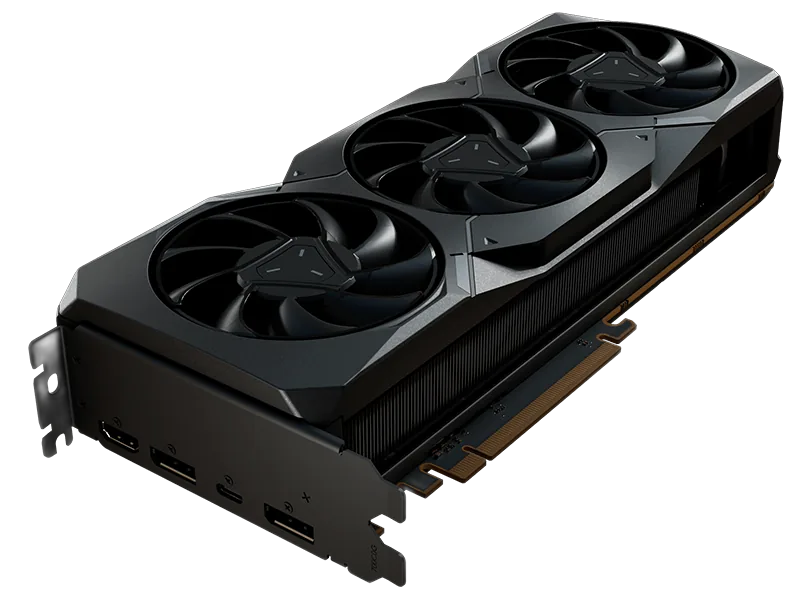
FPS at 1080p High Settings
Best CPUs for League of Legends
These CPUs are ranked for League of Legends — meet or beat the recommended tier for steadier frametimes when the game hits the processor.
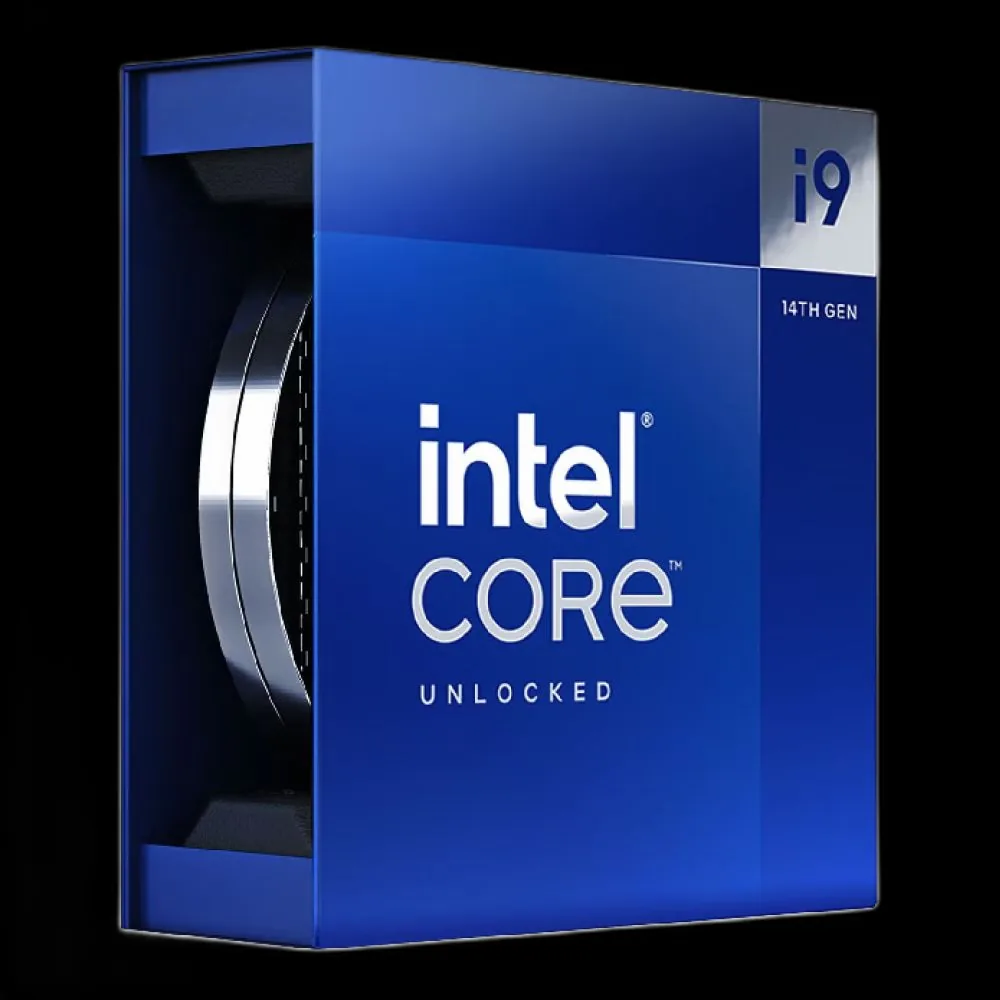
INTEL
Intel Core i9-14900K
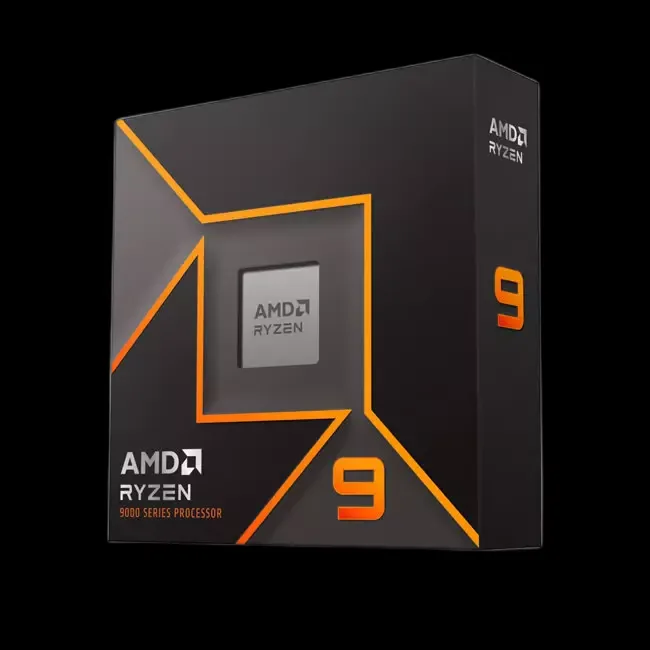
AMD
AMD Ryzen 9 7950X
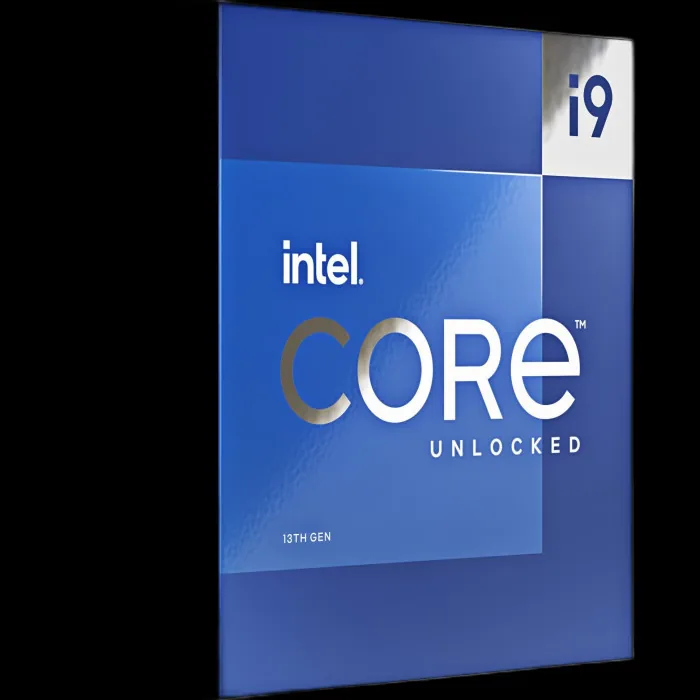
INTEL
Intel Core i9-13900K
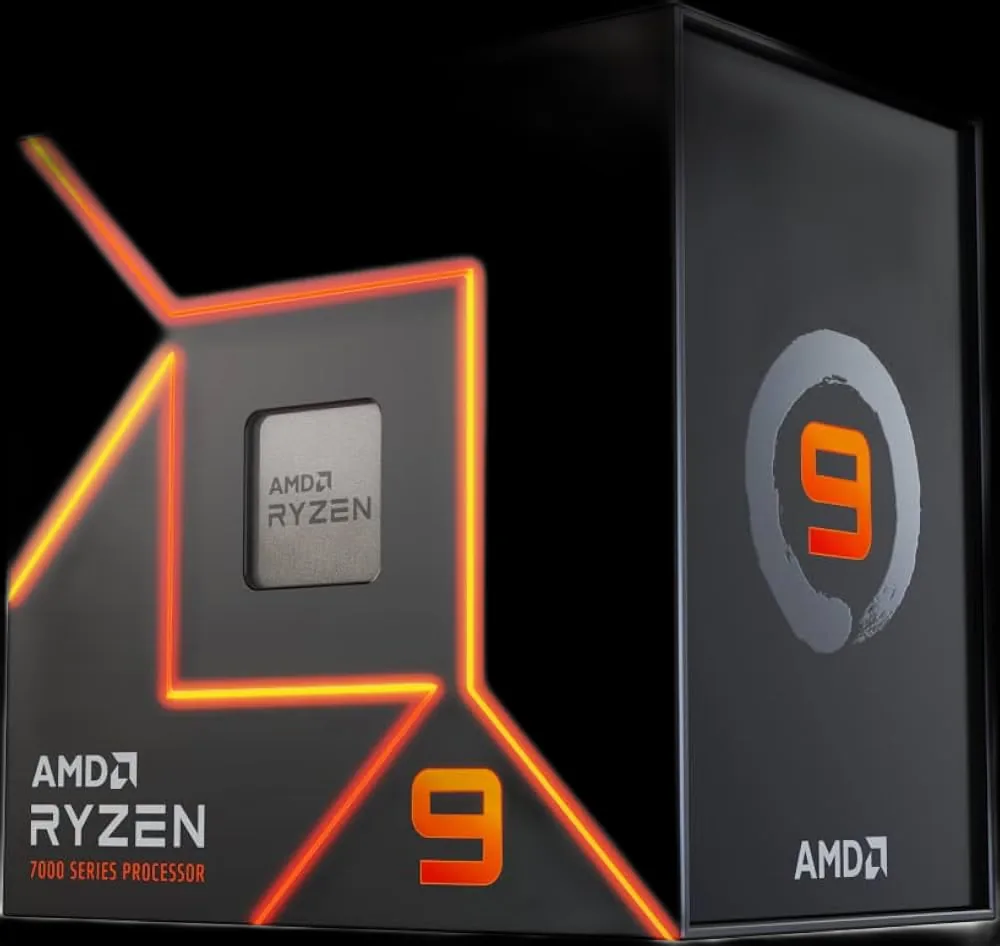
AMD
AMD Ryzen 9 7900X
Ranked by CPU performance score for this title
About League of Legends
League of Legends is a well-optimized, top-down MOBA that has been in active development since 2009, designed to run on a wide range of hardware to maximize its global player base. Its low polygon art style and fixed camera perspe...
Genre
MOBA
Developer
Riot Games
Game Mode
Single-player
Publisher
Riot Games
System Requirements
Minimum
OS
Windows 10 Build 19041 (64-bit)
CPU
Intel Core i3-530 or AMD A6-3650
RAM
2 GB RAM
GPU
NVIDIA GeForce 9600 GT or AMD Radeon HD 6570
Storage
16 GB available space
Recommended
OS
Windows 10 Build 19041 (64-bit) or later
CPU
Intel Core i5-3300 or AMD Ryzen 3 1200
RAM
4 GB RAM
GPU
NVIDIA GeForce GTX 560 or AMD Radeon HD 6950
Storage
16 GB available space



Frequently Asked Questions
League of Legends is a well-optimized, top-down MOBA that has been in active development since 2009, designed to run on a wide range of hardware to maximize its global player base. To run the game your PC must reach a CPU performance score of at least 25 and a GPU score of at least 22. As a visually intensive title, League of Legends rewards hardware above the recommended threshold — particularly for ray tracing, high-resolution shadow maps, and ambient occlusion. At the recommended tier (CPU 52, GPU 50) expect around 60 FPS at 1080p on high settings. Enter your CPU and GPU in our calculator for a personalized estimate.
League of Legends lists these minimum specifications: CPU — Intel Core i3-530 or AMD A6-3650; GPU — NVIDIA GeForce 9600 GT or AMD Radeon HD 6570; RAM — 2 GB RAM; Storage — 16 GB available space; OS — Windows 10 Build 19041 (64-bit). At the minimum tier, expect the game to run at low or medium presets with frame rates around 30 FPS at 1080p. Demanding scenes — dense environments, complex lighting, or heavy particle effects — may dip below this. Disabling ray tracing and lowering shadow quality deliver the highest performance recovery on minimum-spec hardware.
For the best League of Legends experience, the recommended specifications are: CPU — Intel Core i5-3300 or AMD Ryzen 3 1200; GPU — NVIDIA GeForce GTX 560 or AMD Radeon HD 6950; RAM — 4 GB RAM; Storage — 16 GB available space. This hardware level targets smooth 60 FPS at 1080p on high settings with stable frame times. Enabling ray tracing, high-resolution shadow maps, and ambient occlusion simultaneously calls for a GPU above the recommended tier. If you are targeting 1440p on ultra presets, check our FPS calculator for the exact scores required.
On hardware meeting League of Legends's recommended specifications, expect around 60 FPS at 1080p on high settings. Enabling ray tracing, ultra shadow resolution, or screen-space ambient occlusion can reduce that figure by 15–30% depending on your GPU. Minimum-spec hardware typically achieves 25–40 FPS at 1080p on low-to-medium presets. Moving to 1440p costs roughly 30% of your 1080p frame rate, and 4K approximately 50–60%. Enter your exact hardware in our FPS calculator for a personalized estimate across every quality preset.
For high graphics settings in League of Legends at 1080p, your GPU needs a performance score of at least 50. The officially recommended card is NVIDIA GeForce GTX 560 or AMD Radeon HD 6950, which targets 60 FPS at 1080p. Enabling ray tracing on top of high settings demands significantly more GPU headroom — plan for a score well above 50 if RT is a priority. For 1440p on high settings, a GPU scoring around 65 or better is advisable. The FPS calculator lists every compatible GPU ranked by expected performance for this title.
League of Legends requires a CPU with a minimum performance score of 25 — roughly the level of Intel Core i3-530 or AMD A6-3650 or better. For a smooth experience without CPU bottlenecks, target the recommended score of 52 (around Intel Core i5-3300 or AMD Ryzen 3 1200). As a graphically rich title, it can stress the CPU in densely populated areas, complex physics sequences, or large set-piece moments. A CPU at the recommended score paired with 4 GB RAM ensures the processor does not throttle your GPU's potential output in those scenarios.
Questions about hardware? Browse all games →
Latest League of Legends News & Guides
View all newsAccurate & Reliable
Real hardware benchmarks
100% Free
No sign up required
Updated Daily
Latest drivers & patches
Trusted By Gamers
Loved by 1M+ users